

As economic uncertainties loom around the world, understanding the Bitcoin economic impact becomes crucial for safeguarding your finances. With predictions suggesting significant shifts, now is the time to explore how Bitcoin might serve as a shield against economic collapse in 2026.
Understanding the Bitcoin Economic Impact
Bitcoin has increasingly emerged as a compelling hedge against inflation, capturing the attention of both investors and economic analysts. During times of economic downturns, traditional fiat currencies often lose value due to inflationary pressures. Historical instances showcase Bitcoin’s ability to provide stability; for example, during economic crises in countries like Venezuela and Iran, Bitcoin became a viable alternative store of value due to soaring inflation rates and currency devaluation. According to recent reports, Iran’s currency, the Rial, plummeted to a historic low, leading to increased Bitcoin adoption among the populace seeking financial safety. Furthermore, in the current economic landscape characterized by rising inflation in many nations, Bitcoin’s decentralized nature positions it as a potential refuge for value preservation amidst financial turmoil.
What’s Driving Economic Collapse Concerns?
Economic collapse concerns stem from a combination of global economic mismanagement and the ongoing effects of the COVID-19 pandemic. Central banks worldwide have utilized aggressive monetary policies to stimulate economies, leading to soaring inflation levels. For instance, the inflation rate in Iran reached a staggering 52.6%, directly impacting citizens’ purchasing power. Geopolitical tensions further exacerbate these issues, contributing to instability in various regions. Factors such as trade wars, supply chain disruptions, and energy crises create an environment ripe for potential economic collapse. In essence, understanding these underlying issues is pivotal in evaluating Bitcoin’s potential role as a financial safeguard.
Current Bitcoin Market Dynamics
The current Bitcoin market is characterized by significant price volatility, heavily influenced by trading volume and liquidity conditions. Recently, Bitcoin experienced a 2.6% rise despite very low liquidity and a noticeable drop in open interest, indicating a lack of market depth. As reported by financial analysts at QCP Capital, there is a bullish target for Bitcoin set at $94,000, contingent on confirming trading volume to ensure sustainability. This insight highlights the interconnectedness between Bitcoin’s price and the broader financial market trends, underscoring the necessity for investors to remain vigilant regarding market dynamics as they assess Bitcoin’s economic impact.
Bitcoin’s Role in Inflated Economies
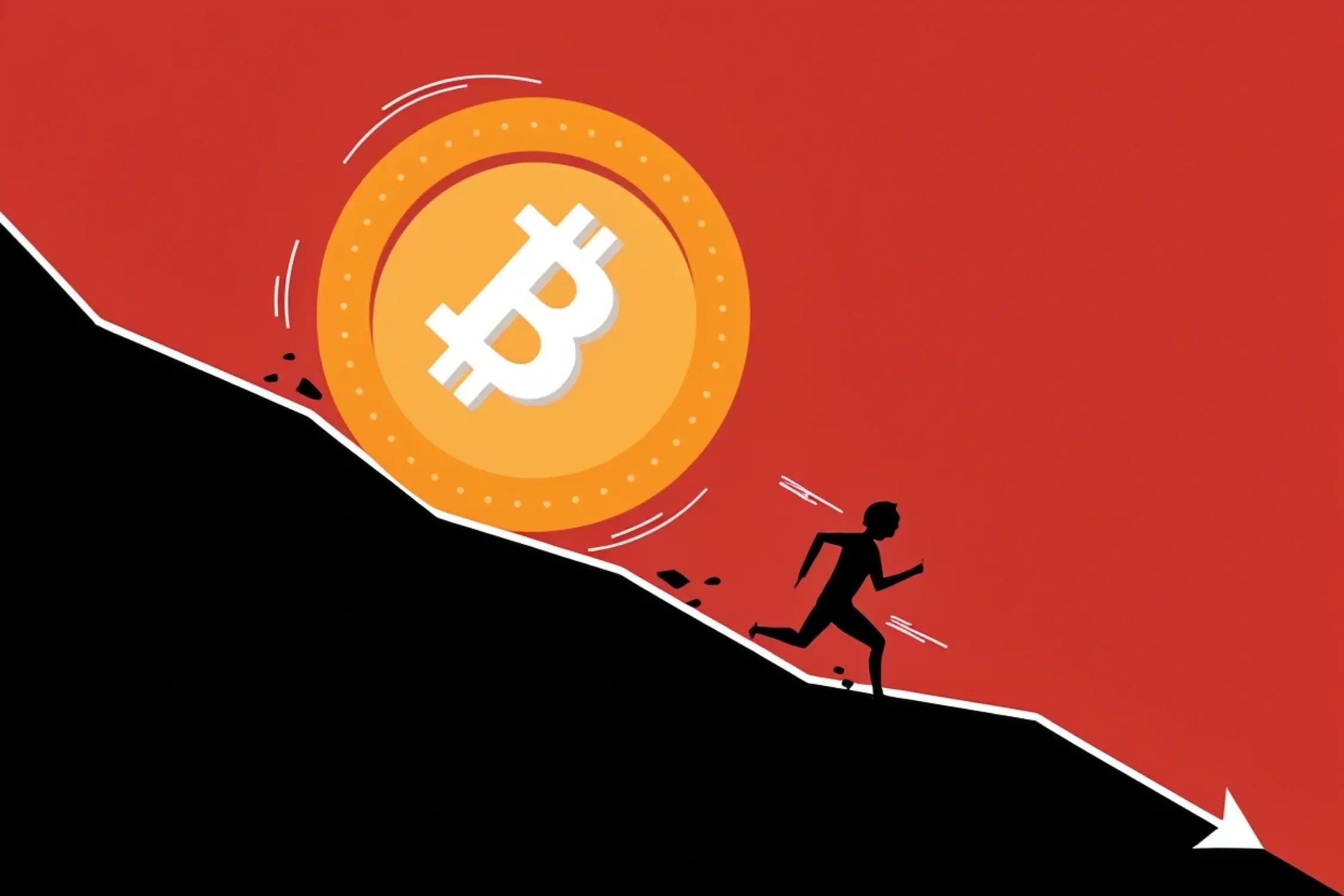
In inflationary economies, Bitcoin acts as a distinctive digital currency that can help mitigate the effects of rising costs. For example, countries facing hyperinflation such as Venezuela have witnessed a surge in Bitcoin transactions, as it allows citizens to bypass failing local currencies. Reports reveal that Bitcoin has become a beacon of hope, providing a lifeline to individuals caught in economic crises. Furthermore, as inflation erodes savings, the shift toward Bitcoin signifies a broader trend of individuals seeking alternatives to traditional banking systems. The sentiment surrounding Bitcoin as a solution highlights how its adoption could grow in response to persistently inflated economies and crumbling fiat currencies.
Predictions Surrounding Bitcoin in 2026
Looking ahead to 2026, expert predictions about Bitcoin’s market value are shaping investor sentiment. Many analysts foresee scenarios where Bitcoin could significantly increase in price, especially in light of persistent economic challenges. However, divergent viewpoints remain regarding Bitcoin’s long-term viability and potential challenges including regulatory impacts and market volatility. Essential factors influencing Bitcoin’s trajectory include enhanced regulatory clarity, technological advancements, and broader public acceptance as a legitimate means of transaction. Consequently, the future of Bitcoin remains highly dependent on how it navigates the evolving digital currency landscape amidst economic uncertainty.
Actionable Steps to Consider Now
For those looking to diversify their portfolios with Bitcoin, there are practical steps to take now. Firstly, consider establishing an account on reputable crypto exchange platforms like Coinbase or Binance to facilitate buying and trading Bitcoin securely. Secondly, investors should regularly monitor Bitcoin’s market performance using analysis tools and alert services that track price movements and trading volume. Finally, education plays a pivotal role; understanding market strategies, risk management, and technological tools can empower investors to make informed decisions amid the volatile Bitcoin market.
The Future of Bitcoin and Digital Currency
The evolution of Bitcoin in the digital currency landscape carries significant implications for future economic structures. As regulatory bodies begin to outline frameworks for cryptocurrency, Bitcoin’s adoption could increase across mainstream financial systems. This evolution may catalyze widespread acceptance of digital currencies, setting a precedent for innovative financial solutions worldwide. Moreover, transitioning to a Bitcoin-driven economy presents societal implications that merit serious consideration. As Bitcoin gains traction, it has the potential to empower individuals economically, decentralize wealth, and challenge the traditional banking systems that have long dominated financial practices.