

The intricate relationship between geopolitical tensions and the Bitcoin market is increasingly shaping investor strategies. Current events underscore how factors like US economic policies and global conflicts affect Bitcoin price trends, compelling investors to reassess their positions in the crypto economy.
The Interplay of Bitcoin Market Dynamics and Geopolitical Conflicts
Bitcoin has emerged as a unique asset that often reacts to international political crises. When conflicts arise, investors tend to view Bitcoin as both a refuge and a risk, leading to fluctuations in its value. For instance, during the recent tensions in West Asia, Bitcoin found itself caught in a web of strategic fund transfers by the U.S. government, highlighting its role amid geopolitical conflicts. According to crypto-economy.com, the ongoing crisis influenced Bitcoin’s price, which dropped below $68,000 while traditional safe-haven assets also experienced declines.
The impact of geopolitical tensions on the crypto economy is evident from historical occurrences where Bitcoin values spiked or plummeted due to external conflicts. Notably, during past events like the Russia-Ukraine crisis and tensions in the Middle East, Bitcoin showed patterns of volatility closely linked to the news cycle surrounding these geopolitical struggles. This observation suggests that investors are often reactive to news rather than waiting for clear trends. As a result, the Bitcoin market continuously adapts to the realities of shifting global conflicts, raising questions about its long-term stability.
Current Bitcoin Market Trends Amid Rising Global Instability
The current landscape of the Bitcoin market is markedly influenced by rising global instability. Recent data indicates a correlation between Bitcoin price trends and international conflicts which often lead to increased volatility in energy markets. For example, in periods of heightened tensions, energy prices can surge, directly affecting Bitcoin valuations. Insights from Yahoo Finance reveal that as crude oil prices climbed by approximately 7% during a geopolitical conflict, Bitcoin also exhibited significant price shifts, reflecting underlying investor angst and speculation.
Moreover, historical data illustrates that in times of political unrest, investors tend to alter their behavior, increasing their focus on Bitcoin as a hedge against instability. This shift underscores Bitcoin’s evolving identity in the crypto economy, where it is increasingly seen as more than just a speculative asset; it is becoming a critical component of investment strategy amid global uncertainties.
Understanding US Economic Policies Affecting Bitcoin Investors
U.S. economic policies play a pivotal role in shaping Bitcoin’s trajectory. Recent measures have included regulatory changes that enhance scrutiny over the cryptocurrency market, impacting Bitcoin price trends. For instance, the intentions behind legislative initiatives influencing the usage of cryptocurrencies can create precedents affecting market dynamics. As noted in various discussions on the subject, investors are now adapting to these policy shifts, reassessing their strategies in light of potential regulatory frameworks.
The delicate balance between fostering innovation and maintaining regulatory oversight often results in fluctuating investor confidence. Amid these changes, Bitcoin investors are learning to navigate a landscape characterized by uncertainty and risk. The challenge lies in discerning which policies may bolster Bitcoin’s adoption versus those that could hinder its market performance.
The Ripple Effect: How Energy Prices Influence Bitcoin
Energy prices are intrinsically tied to Bitcoin valuations, becoming a focal point for investors navigating the volatile market. The correlation between oil prices and Bitcoin is especially pronounced during times of conflict when energy markets react dramatically. According to bitcoin.com, this relationship indicates that as global energy costs increase, so too does the complexity of Bitcoin’s valuation.
To capitalize on these dynamics, investors often develop strategies that incorporate the fluctuations in energy prices. For instance, during recent crises, traders adjusted their positions in Bitcoin based on forecasting energy price trends, recognizing that shifts in oil supply can directly impact demand for cryptocurrencies like Bitcoin. Historical analyses confirm this trend, linking spikes in energy costs to Bitcoin market responses.
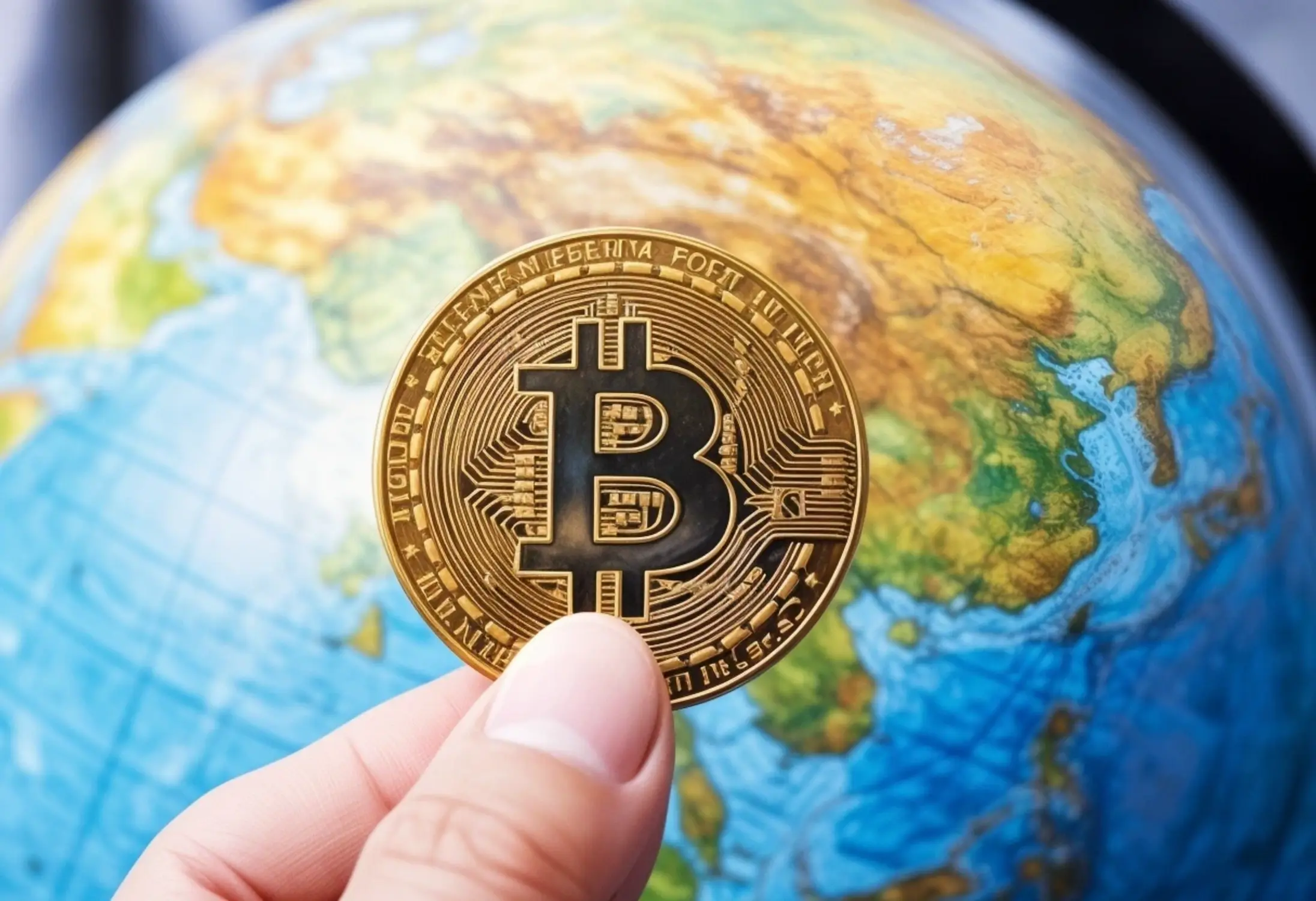
Investor Strategies in a Volatile Bitcoin Market
In a volatile Bitcoin market, investors are urged to adopt strategic measures to mitigate risks associated with geopolitical uncertainties. One crucial step involves diversifying investments across different asset classes, allowing investors to spread risk while still potentially benefiting from Bitcoin’s growth. This approach mitigates overall exposure to Bitcoin’s vulnerabilities during turbulent times.
It’s essential for investors to remain vigilant about geopolitical developments, tailoring their strategies to adapt swiftly to the evolving landscape. Keeping informed about global events and understanding the potential implications for the Bitcoin market can provide a distinct advantage. By combining a proactive approach with a robust understanding of market dynamics, investors can navigate the intricacies of the Bitcoin market safely and effectively.
The Future of Bitcoin: Adapting to an Evolving Landscape
Looking toward the future, the Bitcoin market is likely to experience continuous adaptation amid ever-changing geopolitical landscapes. As tensions ebb and flow on the world stage, Bitcoin may serve as a valuable asset for investors looking to hedge against economic downturns. The demand for Bitcoin as a financial safeguard could intensify, particularly in regions experiencing political instability.
Furthermore, predictions suggest that the interplay between Bitcoin and geopolitical tensions will deepen, driving its development as a prominent feature of the crypto ecosystem. As the global economy evolves and uncertainty prevails, Bitcoin’s role will likely expand, leading to both challenges and opportunities for investors aiming to navigate the complexities introduced by political factors.