
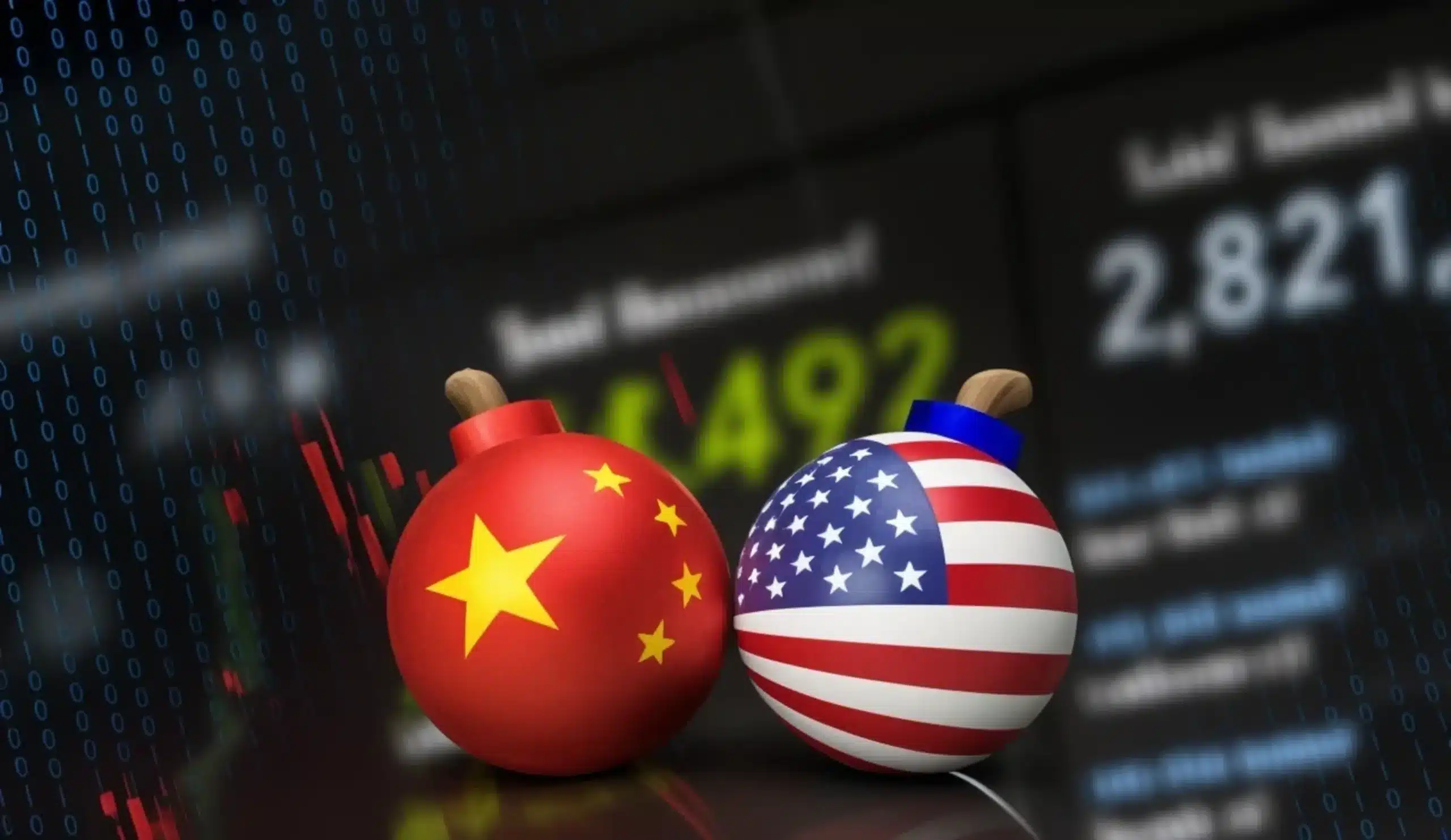
The recent tightening of Cryptocurrency Regulation in China signals a significant shift in the global financial landscape. As this crackdown reshapes how virtual currencies operate, understanding its implications for investors and the economy becomes crucial.
The Urgent Impact of China’s Crypto Crackdown
China’s crypto crackdown has made a profound impact on global finance. The regulatory measures initiated by Chinese authorities target both domestic and offshore operations, indicating a broader scope affecting international markets. Investors should grasp the ramifications of these changes, as they may alter the dynamics of cryptocurrency trading and investment.
According to recent reports, the new rules require approval for any issuance of virtual currencies, whether conducted within China or overseas. This means that companies that have relied on China as a hub for currency exchange or blockchain operations must now rethink their strategies. Moreover, as China plays a pivotal role in the crypto market, its policies will likely set a precedent that influences other nations’ regulatory approaches.
Analyzing the Ban on RWA Tokenization Activities
The recent China RWA Ban on tokenization activities represents a significant precedent within the cryptocurrency landscape. Chinese authorities have imposed restrictions on various aspects of Real-World Asset (RWA) tokenization, impacting international businesses and crypto investors alike.
This ban prohibits domestic and offshore entities from engaging in RWA tokenization without proper approvals. As the implications unfold, investors must analyze how these new regulations will affect their investments. The new framework emphasizes strict supervision on offshore activities, as noted in industry commentary, where the People’s Bank of China outlines the necessity for regulatory compliance for entities managing yuan-pegged stablecoins.
Consequently, businesses must be prepared to maneuver through these regulatory waters, which may transform the market dynamics significantly. Understanding the nuances of tokenization regulations will be essential as companies evaluate their operational strategies globally.
Global Economic Ramifications of China’s Regulation
China’s cryptocurrency regulation has broader implications that significantly influence the global economy. As the world’s second-largest economy tightens its grip on cryptocurrencies, international investment patterns could shift, with potential fallout across various financial markets.
China’s regulatory shift may stimulate other countries to reassess their own crypto stances. Various nations view China’s moves as both a caution and a blueprint, as they contemplate how to balance innovation with oversight. The potential responses from global economies must be scrutinized, particularly those with emerging cryptocurrency sectors that are heavily influenced by China.
Discussions surrounding this shift often point to China’s key role as a major player in the crypto market. Its decisions can create ripple effects; for instance, if investors divert their capital from Chinese operations to less regulated areas, there may be a surge in demand for cryptocurrencies in other jurisdictions, leading to various economic repercussions.

Current Trends in Cryptocurrency Regulation Worldwide
Globally, responses to cryptocurrency regulation vary widely. While China has adopted a strict and encompassing framework, other countries have taken different approaches, from full acceptance to cautious regulation. Countries like the United States and those in Europe are exploring diverse strategies tailored to their financial climates.
Comparing these regulatory frameworks is essential, as some nations prioritize innovation while others focus on security. Regulation can either stifle or promote growth. Countries that adopt crypto-friendly regulations may attract more investment and innovation, boosting their economies and establishing themselves as leaders in the industry.
U.S. regulatory bodies, for instance, have shown signs of adapting their policies to foster a conducive environment for cryptocurrencies, indicating a trend toward collaboration rather than isolation. This evolving landscape will likely shape the future of global cryptocurrency oversight.
Taxation Policies Shaping Crypto Investments
Taxation on cryptocurrency assets is rapidly evolving and varies greatly across different jurisdictions. For individual investors, the Ministry of Finance in Vietnam recently proposed a 0.1% personal income tax on crypto asset trading for transactions conducted on licensed platforms, aligning this proposal with existing tax policies applicable to securities trading. Corporate investors, on the other hand, would face a 20% corporate income tax on earnings derived from crypto trading, with foreign entities subjected to a similar 0.1% tax based on transaction values.
These contrasting tax policies illustrate the complexity of navigating global cryptocurrency investments. Investors need to remain informed about the tax implications in various jurisdictions as regional regulations can significantly influence profitability and overall investment strategies.
Navigating the Changing Landscape of Crypto Regulations
Investors must develop strategies to adapt to the changing landscape brought forth by China’s crypto crackdown and emerging regulations worldwide. Ensuring compliance with local and international laws is essential for sustaining and growing investments in cryptocurrency.
Practical steps include maintaining vigilance about evolving regulations, refining investment portfolios to account for potential shifts in legality, and exploring diverse geographical markets. Staying informed allows investors to anticipate changes and position themselves effectively within the dynamic cryptocurrency environment.
Moreover, collaboration with legal experts in cryptocurrency regulations can provide better insights into compliance and strategy, ultimately reducing risks associated with regulatory breaches.
What Lies Ahead for Cryptocurrency Regulation
Looking towards the future, speculations abound regarding how cryptocurrency regulation will develop in China and beyond. Following China’s intensified regulation, the industry may witness a wave of innovations aimed at compliance rather than circumvention.
As governments across the globe refine their approaches to oversight, investors must stay agile to adapt to these changing norms. Potential innovations may lead to beneficial solutions, enabling more secure trade and investment frameworks in the cryptocurrency space. In essence, flexibility coupled with proactive compliance can empower investors amid regulatory shifts, leading to newfound opportunities in a consolidating market.