
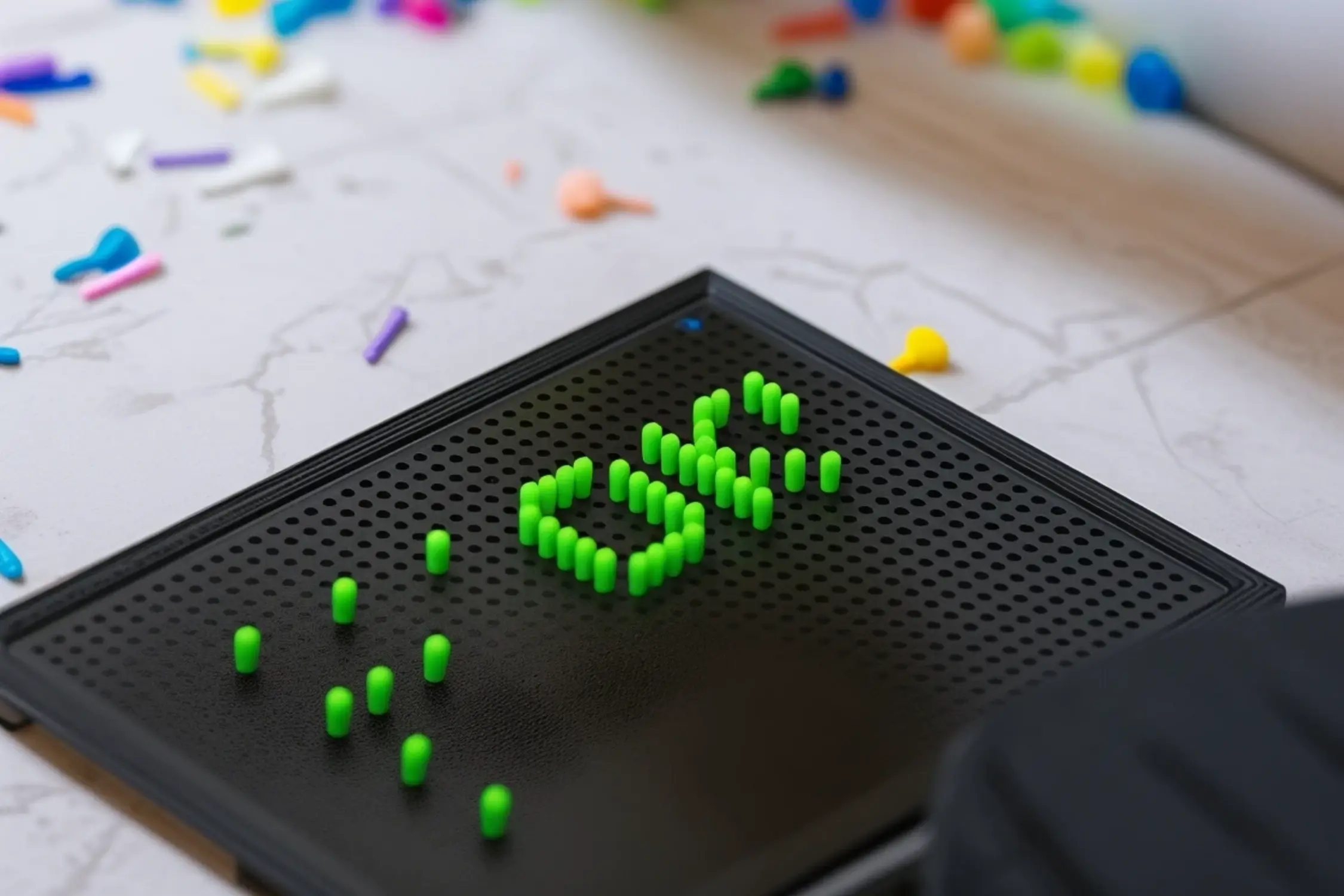
The explosion of digital art and blockchain technology has allowed artists to harness pixels not just for creativity, but as a viable source of income. As the creator economy grows, understanding how to monetize creative work through innovative means becomes essential for many artists.
The Importance of Pixels in Digital Art
Pixels serve as the fundamental building blocks of digital art. Each digital creation is comprised of countless tiny squares that contribute to the overall image. This pixelation process not only allows for intricate designs but also enables artists to explore new dimensions of creativity that traditional mediums often restrict.
Moreover, as technology advances, the way artists express themselves through pixels is transforming. Artists can manipulate pixels in real time, adjusting colors, shapes, and even forms with software that previously required substantial manual effort to achieve. This transformation makes it easier for a wider range of individuals to engage in digital art, creating a more inclusive environment for artists and audiences alike. According to industry experts, pixels facilitate unique expressions, ensuring every digital piece stands out as inherently distinct.
Artists Embracing the Creator Economy
The creator economy is seeing artists leverage various online platforms to monetize their work effectively. From social media to dedicated digital art marketplaces, artists can now showcase their talents without the constraints of traditional galleries. Platforms like Instagram and TikTok enable artists to reach larger audiences, fostering communities that support their endeavors.
Success stories abound in this new economy. For instance, emerging artists have garnered attention for their innovative styles, while others have perfectly utilized social media training to grow their followings and enhance their visibility. This new visibility leads to increased sales, with many artists successfully selling their work directly to consumers.
As artist engagement in the creator economy increases, the impact of online marketplaces becomes undeniable. These platforms not only provide exposure but also offer straightforward methods to purchase art, thereby eliminating lengthy gallery processes that can discourage potential buyers.
NFTs: A Revolution in Tokenization
At the forefront of monetizing digital art is the emergence of Non-Fungible Tokens (NFTs). NFTs allow artists to tokenize their creations, effectively granting them a new way to validate their work and establish ownership in a digital landscape that previously struggled with art theft and unauthorized reproductions.
By using blockchain technology, NFTs enhance security and ownership traceability, ensuring that buyers know exactly what they are purchasing. Additionally, successful collaborations between artists and NFT platforms have become increasingly common. Artists like Beeple have reached new heights in financial success through NFT sales, changing the way we think about digital ownership forever.
The appeal of NFTs lies not only in the unique ownership they represent but also in their potential for royalties. Artists can earn a percentage of sales each time their artwork is resold, revolutionizing income streams.According to recent reports, this provides artists with sustainable revenue options, supporting their careers in an unpredictable market.
Current Trends in Digital Art Monetization
As the digital art market evolves, several trends are emerging that are revolutionizing how artists monetize their work. One notable trend is the rise of collaborative projects, wherein artists partner up to create unique pieces that combine their styles. These collaborations not only generate fresh content but also broaden both artists’ audiences.
Emerging platforms that facilitate the sale of digital art, such as OpenSea and Rarible, are also playing pivotal roles in this landscape. Such platforms simplify transactions and increase exposure, allowing artists to focus on creativity rather than logistics. Recent statistics show a substantial rise in digital art sales, with industry projections estimating the market will grow significantly in the coming years. This growth yields ample opportunities for both established and emerging artists to thrive.
Additionally, utilities accompanying art, such as access to exclusive content or physical products, have driven value for buyers, making digital art more appealing as an investment. Artists can now provide added incentives that enhance the attractiveness of their offerings.
Understanding Blockchain’s Role in Digital Assets
Blockchain technology underpins the secure transactions of digital assets, offering a layer of protection that has become increasingly important in the art world. Artists can confidently sell their works, knowing that the blockchain records will validate ownership and prevent disputes.
Moreover, the integration of cryptocurrency into the art market provides new avenues for artists to engage with their audiences. Projects like Pixels ($PIXEL) exemplify how digital art can merge with cryptocurrency, creating unique and verifiable assets in the market. As of now, Pixels is rapidly gaining traction, indicated by its market cap of approximately $89.79 million and its ranking on platforms like CoinMarketCap as #457, showcasing how innovative projects can enhance artists’ revenue streams.
Furthermore, artists benefit from traditional models that guarantee royalties on secondary sales. This means that the ascent of blockchain is not only beneficial for artists in terms of security but can also significantly impact their incomes over time.
Actionable Steps for Emerging Artists
For artists looking to enter the creator economy, there are several actionable steps to consider. First and foremost, building a digital presence is crucial. Utilizing social media effectively will help to showcase artwork and connect with potential buyers. Regularly posting and engaging with followers can significantly increase visibility.
Engaging with communities—be it through online forums or local meetups—can also provide invaluable networking opportunities. Artists should seek collaborations with other creators to expand their reach and improve their skillsets. The value of networking cannot be overstated when attempting to navigate the digital art landscape successfully.
Finally, understanding the technical aspects of tokenization and blockchain technology will empower artists to maximize their revenue. By staying informed about the latest trends and technologies, artists can position themselves effectively within the ever-evolving creator economy.