
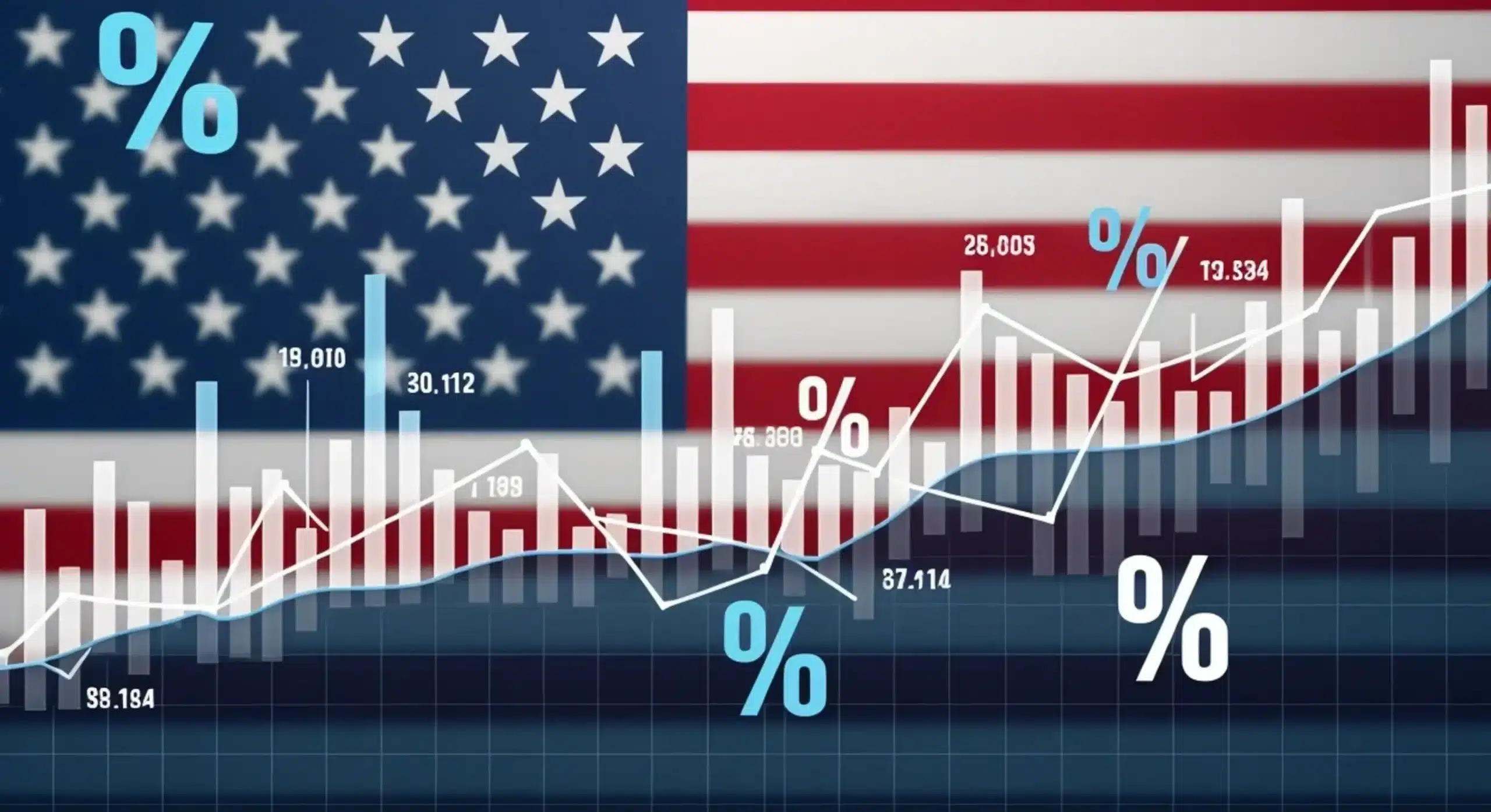
The Federal Reserve’s decisions on interest rates can critically reshape the US economy, influencing everything from consumer spending to business growth. Understanding these changes is vital for citizens, investors, and policymakers as these shifts can present both challenges and opportunities in our economic landscape.
Understanding the Fed’s Impact on the US Economy
The Federal Reserve, often referred to as the Fed, plays a pivotal role in managing the US economy through interest rate adjustments. When the Fed alters interest rates, it directly influences borrowing costs for consumers and businesses. Lower interest rates generally encourage spending by making loans cheaper, which can lead to heightened economic activity. Conversely, higher rates may curb spending as loans become more expensive, leading to potential slowdowns in growth. This mechanism highlights the urgency for timely responses from consumers and businesses as the Fed’s decisions ripple through the economy. Understanding how interest rates interplay with economic growth is crucial, as evidenced by studies showing a direct correlation between interest rate changes and GDP fluctuations, impacting everything from employment rates to inflation trajectories.
Recent Trends in Interest Rates
In recent months, the Fed has implemented strategic interest rate changes that signal a shift in monetary policy. As of now, rates are at an elevated level, primarily designed to combat inflation and stabilize the economy. According to recent reports, these adjustments are influencing how financial markets and consumers react. Financial markets have seen volatility in response to these changes, with investors recalibrating their expectations based on the new interest rate environment. Consumers are also becoming more cautious, weighing their spending decisions against the backdrop of rising rates. The implications of these trends are profound, shaping consumer confidence and altering business investment strategies significantly.
The Connection Between Interest Rates and Economic Growth
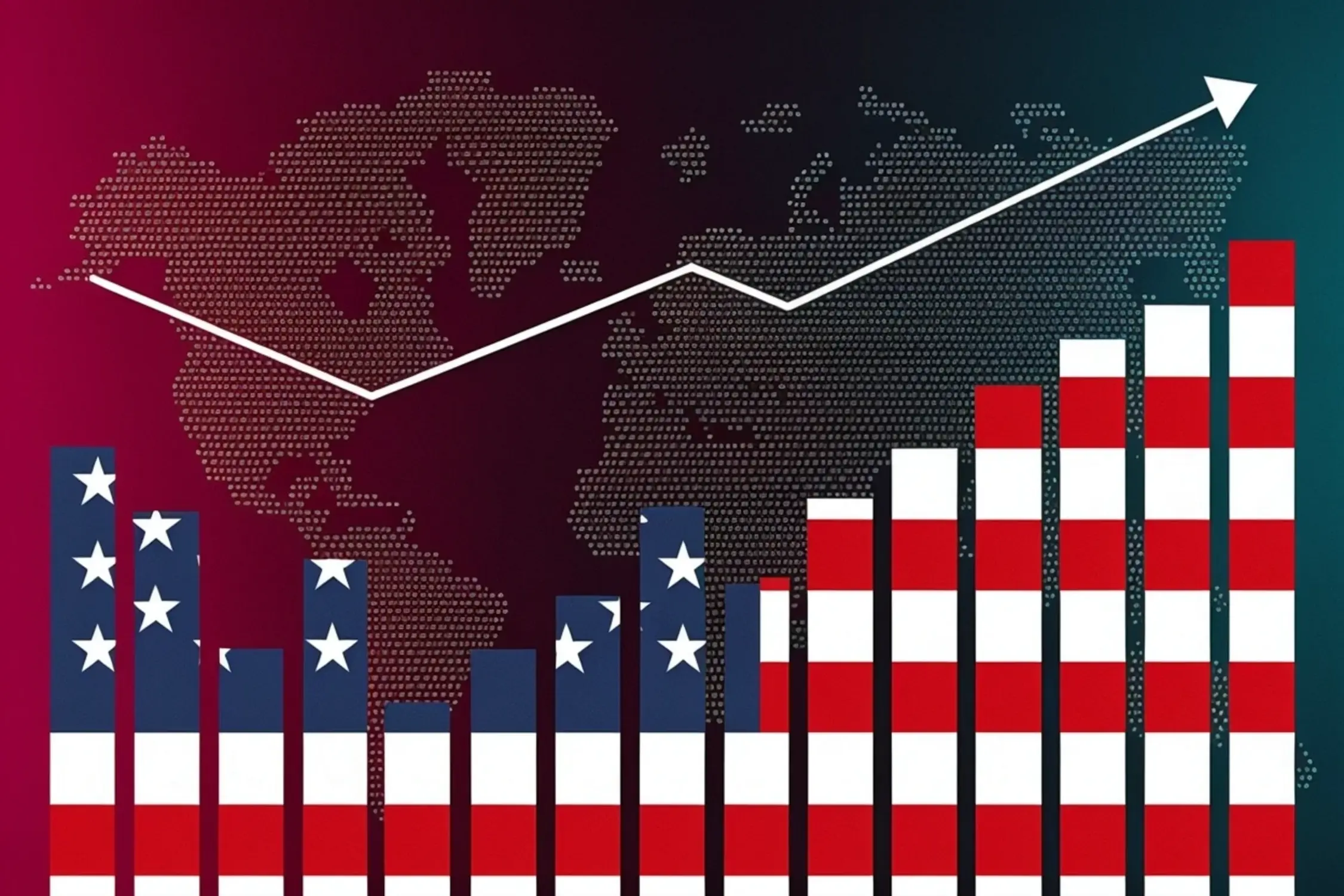
The relationship between interest rates and economic growth is a complex and dynamic one. When interest rates rise, borrowing costs increase, which typically constrains consumer spending and business investment. This can lead to slower economic growth or even a recession if rates climb too high too quickly. Historical examples illustrate this impact vividly; for instance, during the early 1980s, the Fed raised rates sharply to combat runaway inflation, which contributed to a prolonged economic recession. On the other hand, cutting interest rates can stimulate growth by encouraging spending and investment. The current predictions on economic growth suggest that the Fed’s careful management of these rates will be crucial in determining the US economy’s trajectory in the near future amid ongoing global economic uncertainties.
Analyzing the Broader Economic Context
Understanding the Fed’s interest rate strategies requires a broader view of the current economic context. The US economy faces a myriad of global influences that can either bolster or hinder growth. For instance, supply chain disruptions and geopolitical tensions can lead to inflationary pressures that spur the Fed into action. Analysts emphasize the need for policymakers to consider these global economic trends when crafting strategies. Furthermore, recent Fed decisions carry potential risks, including the danger of triggering a recession if interest rates are increased too aggressively. As such, close monitoring of both domestic and international economic landscapes will be crucial for effective policy measures moving forward.
Consumer Responses to Interest Rate Fluctuations
Consumer behavior is significantly influenced by fluctuations in interest rates. When rates rise, consumers tend to adjust their spending and saving habits, often prioritizing savings over spending due to increased borrowing costs. This sentiment can lead to a decrease in consumer confidence, especially in sectors like housing and automotive markets that are sensitive to interest rate changes. Notably, higher mortgage rates can cool demand for home purchases, which in turn affects the broader economy. Understanding the emotional and psychological impacts of such rate changes can provide valuable insights into consumer decision-making processes.
Strategic Approaches for Personal Finance
In light of changing interest rates, consumers should consider actionable steps to navigate the evolving economic landscape. This includes exploring financial products that offer higher yields, such as savings accounts or bonds, which can benefit from rising rates. Additionally, refinancing existing loans can be a strategic move for consumers caught in higher-rate environments. Long-term planning becomes essential in such conditions, as it helps individuals prepare for fluctuations and protect their financial stability. Proactive strategies will empower consumers to thrive even as interest rates shift.
Implications of Fed’s Strategies for Businesses
Businesses must also adapt to the shifting economic landscape prompted by the Fed’s interest rate changes. Understanding the implications of these changes on cash flow and capital costs is crucial for long-term sustainable growth. Companies may need to recalibrate their investment strategies in response to fluctuating interest rates. For example, sectors reliant on financing for growth may face challenges as borrowing costs rise. However, this environment may also present opportunities for entrepreneurship, with innovative startups potentially thriving by leveraging new market gaps created by the Fed’s policies. In this way, the dynamic interplay between interest rates and business strategy will define the future landscape of entrepreneurship in the US economy.