

As energy prices rise, the economic impacts on the crypto market become increasingly significant. Understanding these dynamics helps us navigate the shifting landscape of cryptocurrencies and their relationship with energy costs, providing crucial insights for investors and stakeholders.
Economic Impacts of Energy Prices on Crypto
Rising energy costs significantly influence crypto mining operations, as the power required for these processes accounts for a substantial portion of operational expenses. When energy prices surge, many mining companies may find their profit margins squeezed, leading to potential shutdowns of less efficient operations. Detailed analyses indicate that when energy prices increase, the cost of mining can become prohibitive for some cryptocurrencies. For instance, Bitcoin mining, which is known for its high energy consumption, is particularly sensitive to these fluctuations. Recent reports highlight the impact of energy costs on profitability, suggesting that higher energy prices could reduce the number of miners, thereby affecting network security and transaction processing speeds.
Moreover, as players in the crypto market become aware of these challenges, some projects have begun to adapt to fluctuating energy prices. Initiatives aimed at increasing energy efficiency or integrating renewable energy sources into mining operations illustrate a growing trend toward sustainability in the crypto sphere. The push for eco-friendly mining practices is not simply about reducing costs; it’s also a crucial response to regulatory pressures as communities seek greener technology practices in line with global sustainability efforts.
Current Trends Shaping the Crypto Market
Recent developments indicate a significant shift in crypto dynamics due to energy prices. For instance, geopolitical tensions can disrupt energy availability, which directly influences crypto mining and trading markets. As market analysts note, this instability can heighten volatility within the cryptocurrency space, as traders react to news and fluctuations in traditional energy markets.
Additionally, blockchain technology adoption experiences a pronounced effect as rising energy costs challenge the scalability of certain projects. Developers might re-evaluate the infrastructure supporting decentralized applications (dApps) to ensure cost-effectiveness. As energy expenditures grow, optimizing smart contracts and transaction methods becomes more essential, suggesting that future innovations could pivot toward lower-energy-consuming solutions, which would shape the broader crypto landscape.
Energy Prices and Global Economic Pressures
The global economy is also responding to rising energy prices, which impacts inflation rates and subsequently the performance of the crypto market. As inflation rises, traditional financial instruments may become less attractive, prompting investors to seek refuge in cryptocurrencies as a hedge. Historical trends show correlations between energy prices and inflation, indicating that sustained energy price shocks can lead to increased volatility in crypto markets as traders exert pressure on these digital assets to maintain value amidst economic uncertainty. For instance, as recent reports from both economic analysts and industry experts suggest, energy-importing economies remain vulnerable in these scenarios, driving higher interest in alternative investment solutions like cryptocurrencies.
Sector-Specific Impacts of Rising Energy Prices
The impacts of rising energy prices vary significantly across different sectors. In the realm of finance, traditional finance institutions face a unique set of challenges compared to the crypto sector. For example, traditional finance might struggle with rising operational costs while trying to maintain competitive interest rates, whereas in contrast, certain crypto sectors could actually capitalize on high energy prices by leveraging their status as innovative investment avenues. For instance, sectors associated with renewable energy projects or blockchain-based solutions for energy trading could flourish during times of high fossil fuel prices.
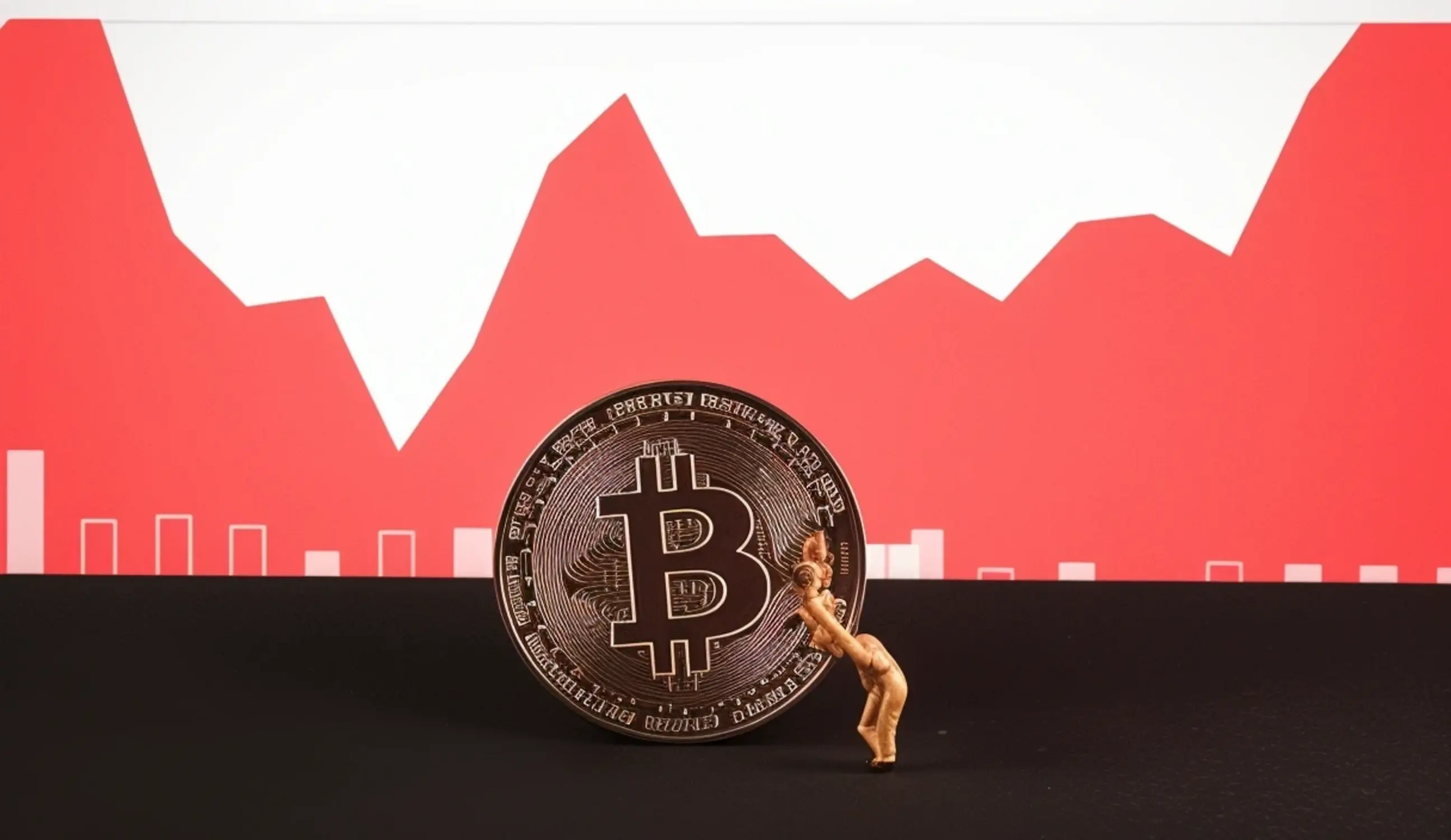
Moreover, energy-intensive projects within the crypto ecosystem may need to adapt. A comparative analysis of energy consumption rates among different cryptocurrencies reveals that while Bitcoin may face difficulties, others like Ethereum are shifting towards proof-of-stake mechanisms. These adaptations highlight a sector’s need to align energy consumption strategies with their economic realities.
Strategies for Crypto Investors Amidst Energy Cost Fluctuations
In this turbulent environment, investors must implement strategies to mitigate risks stemming from energy cost fluctuations. Several practical steps can be taken:
– Diversification: Investors should consider diversifying their portfolios to include cryptocurrencies that demonstrate resilience against energy price volatility.
– Stay Informed: Monitoring energy market trends enables proactive decision-making, allowing investors to adjust their strategies as energy costs fluctuate.
– Invest in Sustainable Projects: As the market shifts towards sustainability, supporting crypto projects focused on energy efficiency may yield profitable long-term outcomes.
Keeping abreast of trends in sustainable crypto practices can also help investors make informed choices that align with both ethics and emerging market opportunities.
Future of Cryptocurrency in a High Energy Cost World
Looking ahead, the long-term viability of cryptocurrencies hinges on their ability to adapt to high energy costs. Predictably, trends toward energy-efficient blockchain networks may become mainstream, with innovations focused on minimizing energy consumption and enhancing transaction efficiency. For instance, alternative consensus mechanisms may rise in popularity, promising lower environmental impacts while ensuring robust security.
The future of cryptocurrency also involves potential regulatory changes aimed at managing energy use in digital asset markets more effectively. As stakeholders call for greater transparency and energy accountability, the crypto space must evolve. The landscape of cryptocurrency will likely mirror broader shifts toward sustainability, thereby carving out new niches within the market that prioritize energy efficiency alongside profitability.