
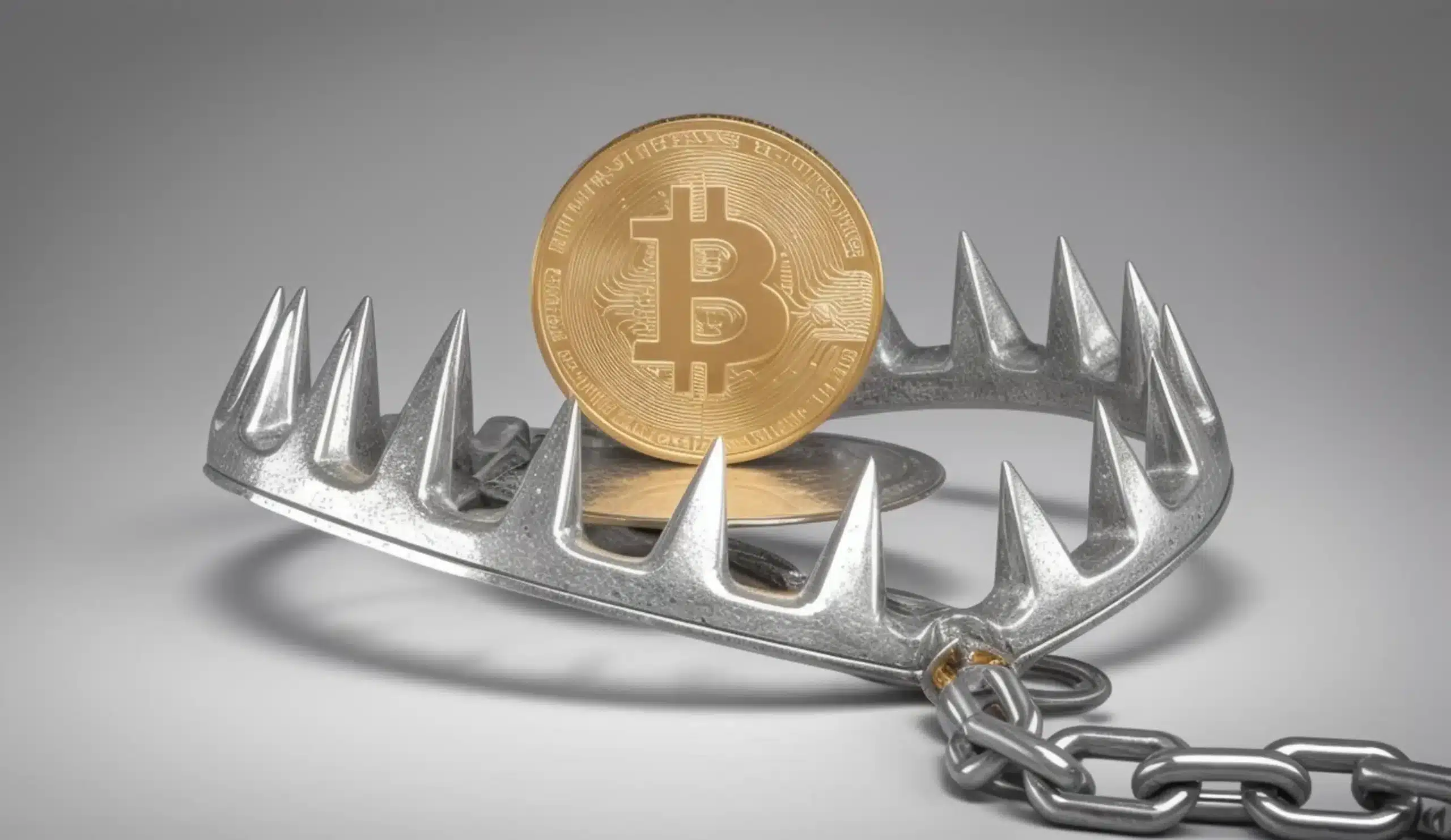
The escalating sanctions imposed on various nations have catalyzed a surge in the illicit crypto economy, pushing blacklisted entities to harness the potential of cryptocurrencies as a workaround to financial restrictions. This phenomenon not only highlights the burgeoning intersection of technology and crime but also raises significant questions about future cybercrime trends and the stringent measures needed for crypto regulations.
The Role of Sanctions in Illicit Crypto Economy
Sanctions have emerged as a powerful catalyst for increasing illicit crypto activities worldwide. As governments tighten financial restrictions against blacklisted nations, these countries increasingly turn to digital currencies to maintain economic behavior. For instance, as many as 3,135 entities were added to the Specially Designated Nationals and Blocked Persons List in 2024, marking the highest total on record; this trend underscores the extent of governmental sanctions according to recent reports.
The consequences of these restrictions are profound, as they drive individuals and organizations in these nations to seek alternative financial avenues, notably through cryptocurrencies. This has resulted in a notable increase in illicit transactions, which reached at least $154 billion in 2025, signifying a staggering 162% growth from $59 billion in 2024. Notably, this surge is still less than 1% of the total crypto activity, yet it reflects a disturbing trend that suggests the efficacy of sanctions may be waning as highlighted by Chainalysis.
Current Surge in Illicit Crypto Activity
The data from 2025 reveals an unprecedented rise in the illicit crypto transactions that are transforming the landscape of the digital economy. Unlike previous years, illicit exchanges of cryptocurrencies have become increasingly prevalent, showcasing a stark upward trajectory. Stablecoins, typically chosen for their low volatility and ease of transfer, have become the primary vehicle in these illicit transactions. In fact, stablecoin transactions made up 84% of all illicit volume in 2025, serving as the go-to option for those seeking anonymity and efficiency in financial dealings.
Moreover, analyzing the figures from preceding years juxtaposed with the current data reveals a worrying pattern. The exponential rise in illicit activities correlates directly with the tightening of crypto regulations intended to curb such behavior. Thus, it appears that the more robust the regulations become, the more actors within the crypto economy seek ways to navigate around them, leading to innovative—yet illegal—methods of transaction.
Cybercrime Trends Growing alongside Crypto Restrictions
The relationship between stricter crypto regulations and the increase in cybercrime is becoming alarmingly clear. As regulations tighten, criminals adapt by leveraging cryptocurrencies to launder money, facilitate ransomware attacks, and engage in other illicit activities. High-profile cases attribute the surge in cybercrime to nuances in crypto regulations; these regulations inadvertently create environments ripe for exploitation. According to observations from cybersecurity experts, the rise in illegal transactions parallels the increase in high-profile hacking incidents directly tied to cryptocurrency evasions.
Furthermore, predictions indicate that as governments intensify their regulatory measures, we may see a further evolution in cybercrime tactics. Perpetrators are likely to develop more sophisticated methods to obfuscate their activities, indicating an ongoing arms race between regulators and criminals in the digital sphere that raises significant concerns for law enforcement agencies worldwide.

Key Statistics and Reports on Illicit Transactions
Insightful statistics from Chainalysis reveal that while illicit crypto activities are climbing, they still constitute a relatively small fraction of total transactions — under 1%. Nevertheless, the dramatic increase in transactions underscores the rising challenge for regulatory bodies. In addition to illicit actors receiving a staggering $154 billion in 2025, the disruptive potential for these statistics cannot be understated. They indicate a looming risk not only for the integrity of the cryptocurrency market but also for traditional financial systems that could experience collateral damage from these opaque and largely uncontrolled transactions.
Contemplating the impact of evolving regulations, it’s evident that the illicit crypto economy will continue to thrive unless proactive measures are taken to adapt to these emerging threats. Regulatory bodies are faced with the daunting task of not only enforcing current laws but enhancing them to keep pace with this rapid evolution.
Consequences of Evolving Crypto Regulations
Evolving crypto regulations directly influence the landscape of illicit activities. As governments scramble to implement new measures to counteract this growing issue, the challenges of tracking and regulating illicit transactions are more pronounced than ever. The increase in illicit behavior suggests not only that regulations may be insufficiently stringent but also highlights the difficulties in enforcement when the digital space is constantly changing.
For regulatory bodies and law enforcement, the continuous ability to track illicit activities remains a significant concern. The evolution of crypto regulations necessitates a re-evaluation of strategies employed to combat illicit uses of cryptocurrencies, especially as cybercriminals become increasingly adept at hiding their tracks. Without concerted efforts to enhance technological capabilities for monitoring, regulating bodies may find themselves ill-equipped to address the burgeoning illicit crypto economy.
What We Can Learn from Recent Patterns
Analyzing historical patterns of illicit crypto trends can inform future directions for regulation and enforcement. As illicit activities evolve alongside technological advancements, it becomes evident that similar tactics recur among those engaged in the illicit crypto economy. Policing these activities requires a nuanced understanding of the landscape, characterized by adaptable measures that respond to changing criminal tactics.
Lessons for policymakers include the need for collaborative efforts between government agencies, technology experts, and the crypto community to craft more effective regulations. Given the rapid pace of technological advancements in cryptocurrency, continuous learning and adaptability will be crucial for effective policymaking aimed at reducing illicit activities.
How Individuals Can Protect Themselves and Act
As illicit crypto activities proliferate, individuals can take proactive steps to navigate the increasingly murky waters of the crypto landscape. Understanding the distinctions between legal and illegal crypto activities is paramount. Individuals should familiarize themselves with the legal platforms that comply with regulations while being cautious of those that do not.
Additionally, resources such as educational programs and community forums can serve as valuable tools for staying informed about evolving cryptocurrency regulations and the associated risks. By remaining vigilant and informed, individuals can better protect themselves against potential pitfalls integrated into the illicit crypto environment. Protecting oneself in this space ultimately comes down to being educated and proactive.