
We are witnessing a pivotal moment as tax cuts are poised to reshape the US economy in 2026 and beyond. Understanding their implications is crucial for investors, businesses, and everyday citizens alike.
Economic Landscape Shifting Ahead of 2026
The economic landscape in the United States is changing significantly in the lead-up to 2026. Current economic indicators show a mixed bag; while unemployment rates remain low, inflationary pressures continue to strain household budgets. Legislative changes at both state and federal levels are expected to substantially influence economic health. For instance, tax cuts introduced in various states will result in shifts in budgeting priorities, compelling states to allocate resources differently. As states adjust, they could face challenges in meeting public service needs while trying to stimulate growth through tax relief initiatives.
Moreover, an extensive analysis indicates that tax cuts tend to boost consumer spending by increasing disposable income. As highlighted in recent reports, policymakers are keen on using tax cuts as a tool to navigate economic recovery, particularly when growth appears stunted. As we approach 2026, it’s vital to monitor these legislative shifts and their anticipated impacts on the broader economy.
The Role of Tax Cuts in Economic Stability
Tax cuts are critical for fostering economic stability, especially amidst fluctuating markets and uncertain economic forecasts. Recent tax adjustments are anticipated to bolster consumer confidence, encouraging spending and investment. Research shows that significant tax relief can lead to robust economic growth—this is especially true in periods following recession. In fact, historical evidence suggests that previous initiatives, like the Tax Cuts and Jobs Act of 2017, played a vital role in generating economic expansion post-2008 recession.
In the context of the upcoming years, the connection between tax relief and economic growth is expected to be pronounced. As disposable incomes rise, consumers are likely to increase their spending, thereby propelling further economic activity. However, it remains essential to observe the historical context; the long-term benefits depend not only on tax cuts but also on the accompanying economic policies that govern inflation and employment rates.
Current State of the Financial Sectors
The financial sectors in the U.S. are evolving in anticipation of these tax cuts. Financial institutions are adjusting their strategies to accommodate changing market dynamics fueled by legislative reforms. Investor sentiment is cautiously optimistic yet wary of potential market volatility, particularly in emerging sectors such as cryptocurrencies. Investment in crypto markets may face fluctuations as new tax policies shape the financial outlook.
Investor behaviors are also likely to reflect the anticipated shifts in the economic landscape. Some experts suggest that tax cuts could stimulate investment in tech and renewable energy sectors, directly influencing sustainability trends. Meanwhile, volatility in the crypto markets could be exacerbated by broader economic shifts, making it a focal point for investors seeking opportunities amid uncertainty.
How Tax Cuts Affect Consumer Spending
Understanding the relationship between tax cuts and consumer spending is crucial to forecasting economic trends for 2026. With more disposable income resulting from tax cuts, consumers are likely to alter their buying patterns. Those working in sectors poised for growth may increase spending on luxury goods and services, while others may choose to save or invest their gains.
Furthermore, predictions indicate that spending trends will shift as confidence in the economy rises. Businesses will need to adapt to these changes by adjusting their offerings to meet consumers’ evolving preferences. Additionally, increased disposable income can lead to higher demand for products and services, thereby fueling further economic growth and recovery.
Economic Forecast for the US Economy 2026
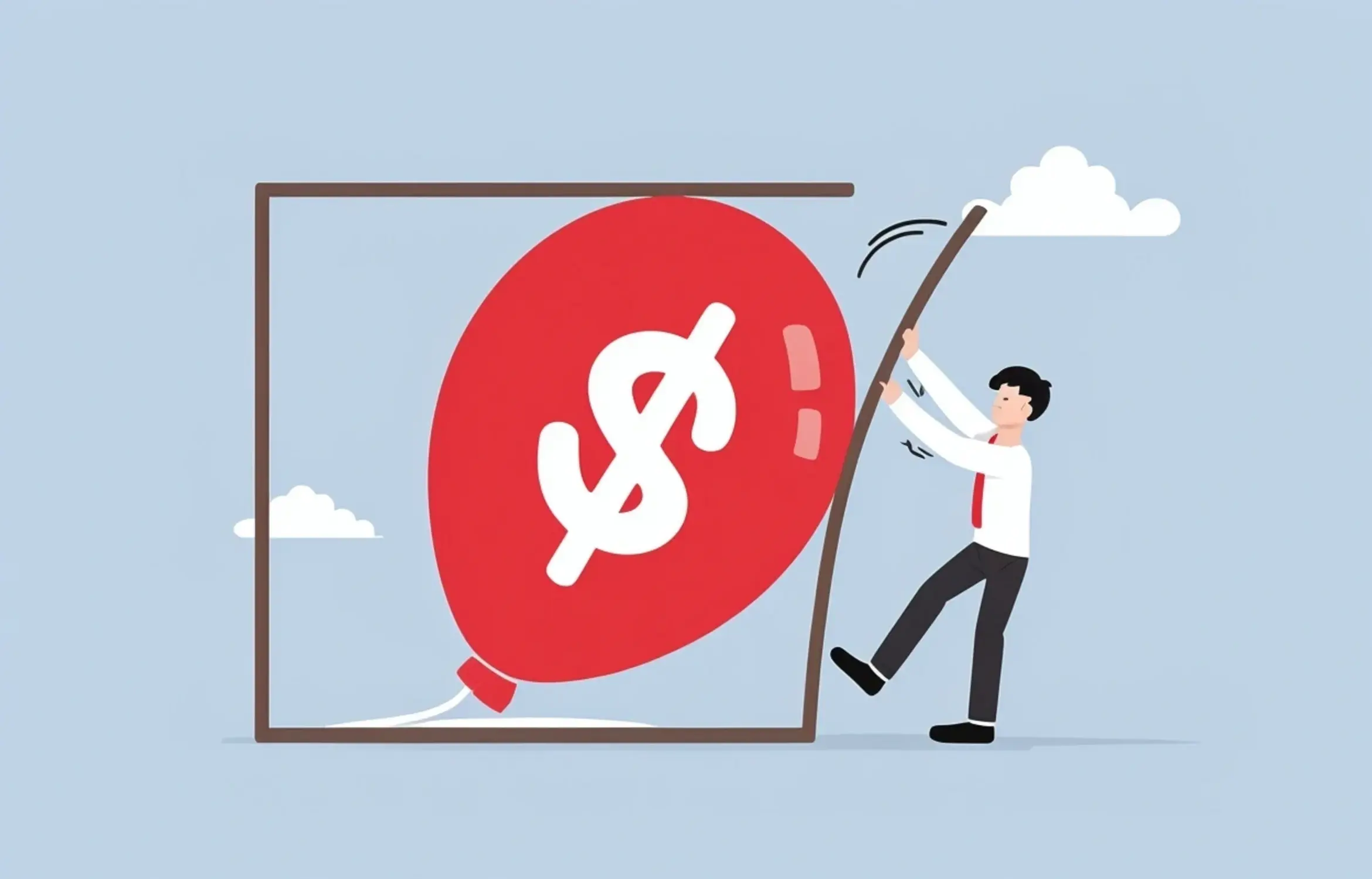
As tax cuts are implemented, several key factors will shape the US economy. Analysts predict a notable rise in employment rates and business performance as the benefits of tax relief filter through the economy. However, inflation remains a persistent challenge that could interact negatively with fiscal policies, potentially eroding the positive effects of tax cuts.
The balance between stimulating economic growth and controlling inflation is delicate. Policymakers will need to monitor inflation metrics closely as they implement tax reforms aimed at boosting the economy. According to economic analysts, these intertwined factors will dictate the trajectory of the US economy as it approaches 2026 and beyond.
Strategic Investing in a Changing Landscape
Navigating investments will require agility and awareness of the evolving landscape post-tax reforms. Investors should focus on emerging opportunities, especially in resilient sectors such as technology and renewable energy. Identifying trends in both traditional financial markets and the increasingly volatile crypto markets will be essential.
For successful investing strategies, consider the following tips:
– Stay Informed: Monitor legislative changes and their impacts on economic indicators.
– Diversify: Spread investments across different sectors to manage risks effectively.
– Understand Consumer Behavior: Investigate how changes in disposable income might affect different markets.
As the US economy anticipates significant transformations due to tax cuts, understanding these dynamics will provide crucial insights for investors and stakeholders.