
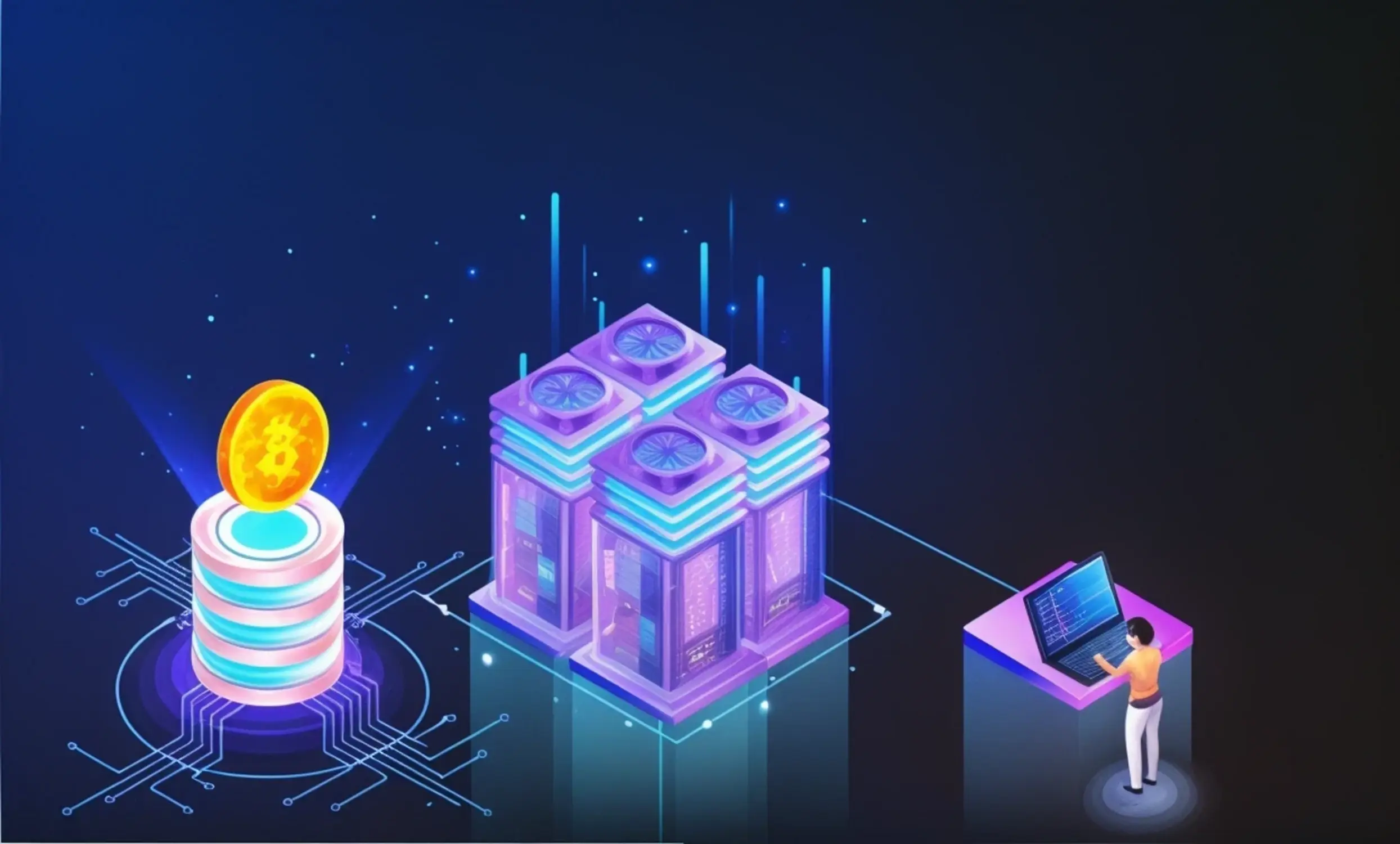
Tokenization is revolutionizing asset ownership by redefining how we perceive, manage, and invest in financial assets. As blockchain technology gains traction, the potential of tokenized assets to enhance liquidity and democratize access becomes increasingly vital. Here’s why embracing tokenization now could shape the future of personal and institutional investment.
Understanding Tokenization in Modern Finance
Tokenization refers to the process of converting real-world assets into digital tokens that can represent ownership rights on a blockchain. This innovative approach effectively changes our understanding of asset ownership. By leveraging blockchain technology, tokenization creates secure digital representations of assets across various categories, including real estate, artworks, and even shares in private companies. According to recent insights, a wide spectrum of assets can now be tokenized, making them more accessible to a broader range of investors.
The Importance of Blockchain Technology in Tokenization
Blockchain technology plays a critical role in the tokenization process, ensuring transparency and security of transactions involving tokenized assets. The decentralized nature of blockchain reduces the risk of fraud, as transactions are recorded on an immutable ledger. Additionally, smart contracts—the self-executing contracts with the terms of the agreement directly written into code—further enhance asset management. With smart contracts, conditions can automatically trigger actions without intermediaries, streamlining the investment process significantly, as highlighted in various reports.
Real-world applications of blockchain in finance demonstrate these benefits. Companies leveraging blockchain can enhance confidence in financial transactions while offering new pathways for investors. This use of advanced technology not only protects investors but also drives increased enthusiasm for digital assets.
Current Transformation in Asset Ownership Models
The advent of tokenization is reshaping traditional asset ownership models. For example, in the real estate sector, tokenization allows fractional ownership, enabling even small investors to buy into properties that were previously out of reach. This shift not only democratizes access but also increases liquidity in the market. Moreover, case studies illustrate how businesses and individuals are adopting new strategies for asset management through tokenized shares, reflecting the growing acceptance of these digital assets by mainstream investors.
Challenges Facing Tokenization of Financial Assets
Despite its potential, tokenization faces challenges that could impede its growth. Regulatory hurdles stand out as significant barriers, with various jurisdictions struggling to establish coherent guidelines governing tokenized assets. Security concerns also loom large; the digital nature of tokens raises questions about the risk of hacking and fraud.
Additionally, challenges related to valuation persist, as the pricing of tokenized assets can be complex and unclear. Such hurdles highlight the importance of creating an organized framework for the tokenization process to gain widespread trust among investors and regulatory bodies.
Benefits of Tokenization for Investors and Companies
Tokenization presents numerous benefits for both investors and companies. For investors, one of the primary advantages is enhanced liquidity, as tokenized assets can be traded 24/7 on various exchange platforms. This capability opens global markets, allowing broader participation across geographic boundaries. Furthermore, the potential for fractional ownership through tokenization enables individuals to invest smaller amounts in multiple assets, thereby diversifying their portfolios and minimizing risk exposure.
Companies also stand to benefit from tokenization, particularly in fundraising efforts. By issuing tokenized shares, companies can tap into a wider base of investors, increasing their capital while maintaining agility in financial movements. This strategy could set the stage for robust growth in various markets.
Steps to Embrace Tokenization
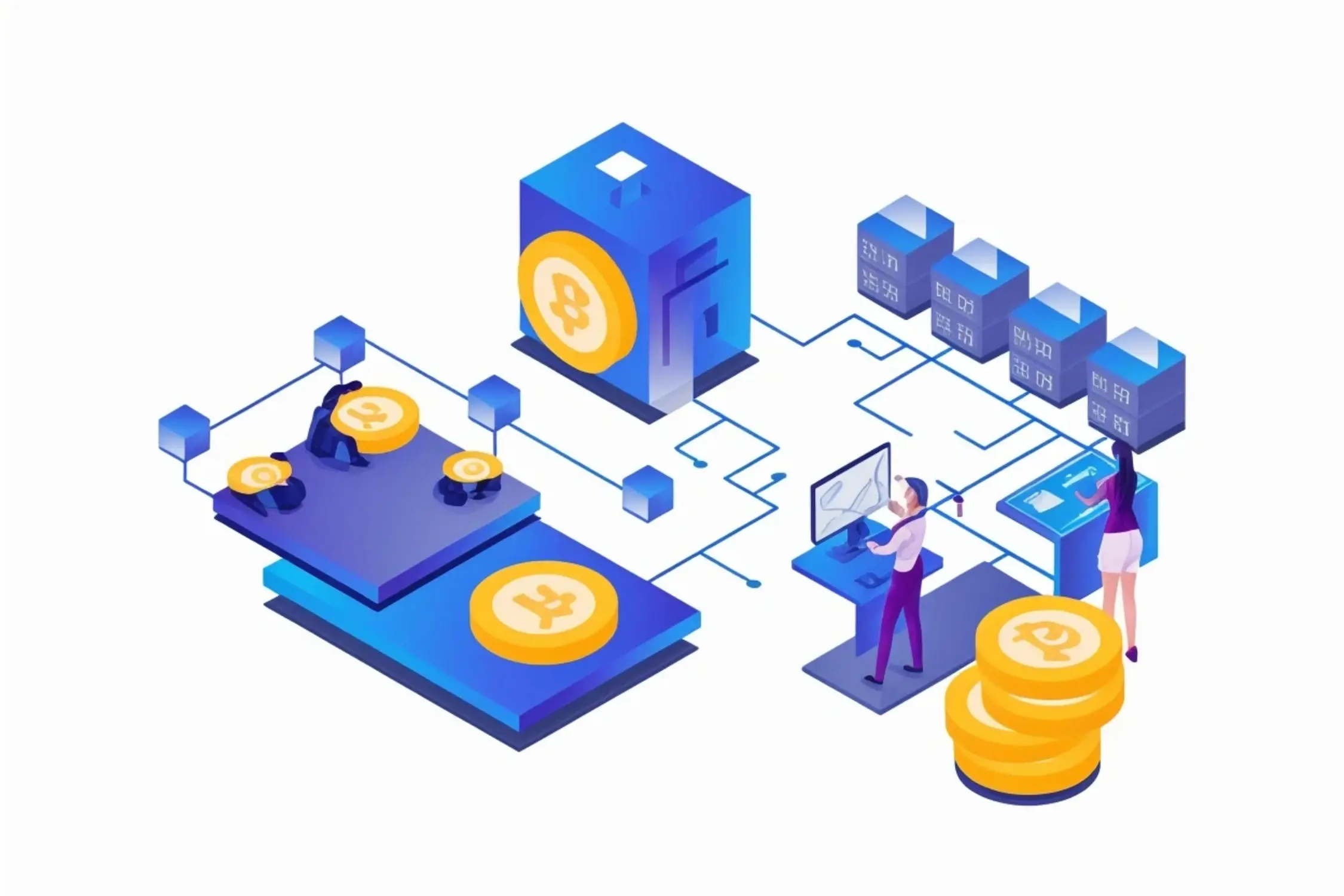
Investors looking to enter the tokenization space should prioritize educating themselves about different platforms available for trading tokenized assets. Understanding the nuances of how tokenization operates will enable them to make informed decisions. Companies, on the other hand, can explore partnerships with blockchain service providers to leverage tokenization for growth, especially in fundraising and asset management.
Numerous resources and platforms now facilitate the transition to tokenized assets, making it easier for stakeholders to adopt this innovative approach. Engaging with industry experts and participating in related forums can offer additional insights into best practices.
Future Implications of Tokenization on the Financial Market
Looking ahead, the long-term impact of tokenization on traditional finance could be transformative. It poses the potential to democratize investing opportunities, offering a level playing field for both institutional and retail investors. As tokenization gains popularity, potential trends to watch include the emergence of new legal frameworks addressing digital assets and ongoing innovations in blockchain technologies.
In conclusion, tokenization is set to redefine the landscape of asset ownership, paving the way for more accessible, transparent, and secure investment opportunities in the evolving financial market.