

The emergence of the crypto economy has intensified as concerns rise about the U.S. economy. Investors are increasingly turning to Bitcoin for its potential to provide shelter during turbulent times. Amid inflation and stock market fluctuations, understanding Bitcoin’s benefits is essential for modern investors navigating today’s economic landscape.
Impact of Economic Uncertainty on Investment Strategies
Economic uncertainty plays a significant role in shaping investment strategies. Historically, downturns in the U.S. economy have led to shifts in investor confidence and behavior. For instance, when faced with market instability, investors often gravitate towards assets perceived as more resilient, such as Bitcoin. Factors contributing to the current uncertainties include rising inflation rates and shifts in job statistics. According to recent reports, the U.S. economy lost 92,000 jobs in February, stabilizing the unemployment rate at 4.4% while oil prices surged above $80 per barrel, affecting investor sentiment (source).
These economic indicators typically provoke cautious behavior in investors, prompting many to explore alternatives, including cryptocurrencies, to mitigate risks.
Bitcoin’s Role in the Crypto Economy Today
Bitcoin serves as a crucial digital asset within the crypto economy, especially in times of uncertainty. Its perceived value often correlates with market instability, making it an attractive option for investors seeking to protect their portfolios. Investing in Bitcoin may offer advantages such as diversification and hedging against inflation. As economists suggest, Bitcoin can provide a buffer against devaluations typical in traditional assets during recessions (source).
Furthermore, the unique supply mechanics of Bitcoin—capped at 21 million coins—enhance its appeal as a safeguard against inflation.
Current Trends in Bitcoin Adoption by Investors
Increasing ownership of Bitcoin indicates a significant trend among investors, highlighted by recent statistics. Demographic shifts are noticeable, with younger investors driving much of this increase. Many are motivated by a desire for security against traditional market fluctuations and inflation. The ease of access to Bitcoin trading platforms has catalyzed this surge, enabling even casual investors to participate in the crypto economy. Various surveys show that foreign investors are also joining the Bitcoin market, seeking alternative opportunities amidst declining confidence in conventional investments.
Navigating Market Trends with Bitcoin
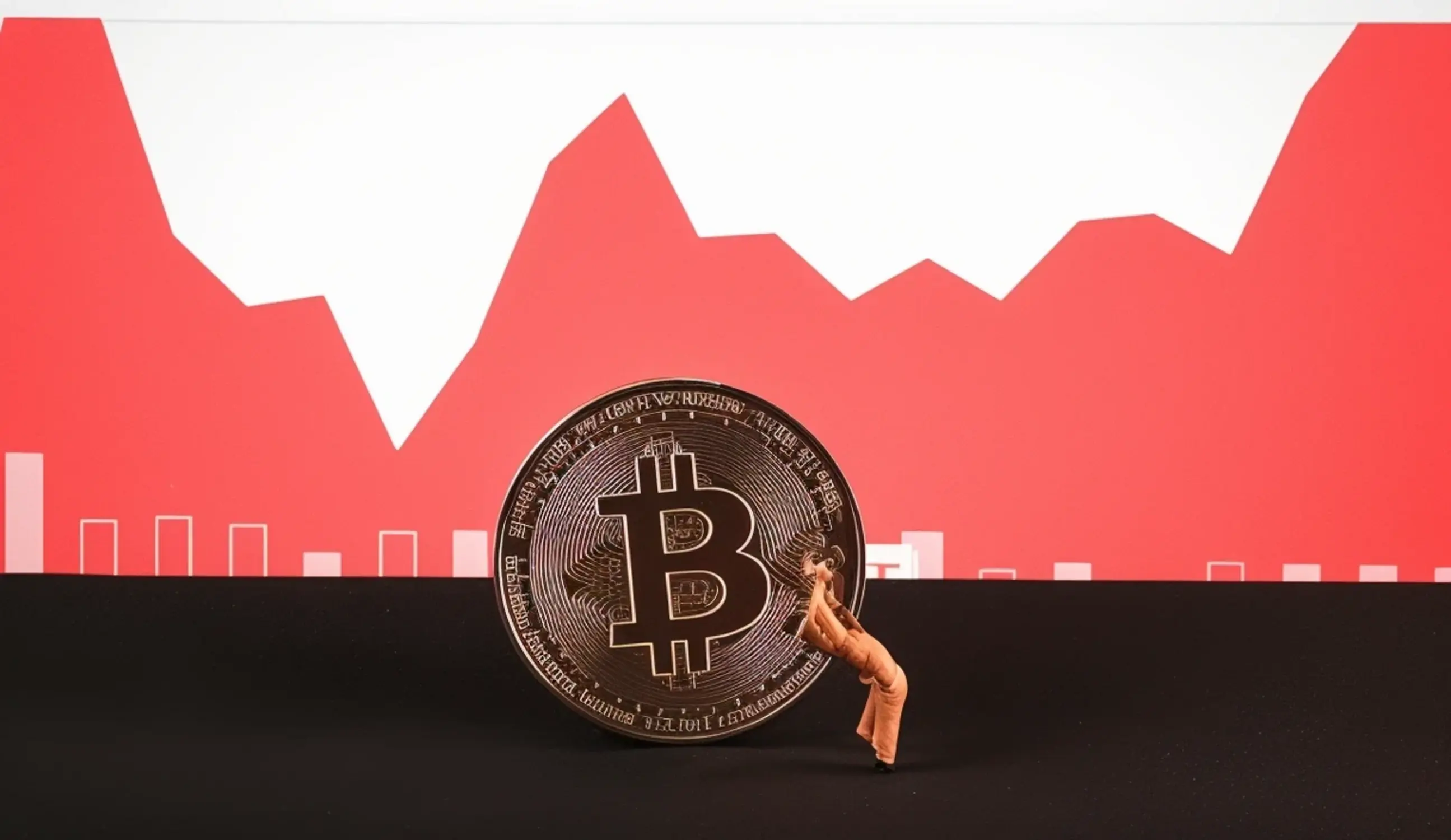
Bitcoin helps investors stay resilient against market fluctuations. Its decentralized nature offers a financial structure that can operate independently of traditional financial systems. External factors, such as rising oil prices and employment statistics, often influence Bitcoin investments. For instance, as oil prices increased, many investors sought alternatives to stocks, resulting in a noticeable uptick in Bitcoin investments. These market trends suggest that as traditional markets face volatility, Bitcoin is positioned well to continue gaining traction as a preferred asset.
Comparative Analysis: Bitcoin vs. Traditional Investments
Investing in Bitcoin has several advantages compared to traditional assets like stocks and bonds. One significant advantage is Bitcoin’s ability to provide diversification. In uncertain economies, Bitcoin’s volatility can act as a buffer. However, investments in Bitcoin also come with risks, including regulatory changes and market fluctuations. Maintaining a balanced portfolio with a mix of traditional and digital assets may enhance an investor’s resilience against economic downturns—a strategy that many financial experts suggest can optimize potential returns while managing risks.
Steps for Investors to Engage with Bitcoin Safely
For investors looking to engage with Bitcoin, there are best practices to follow. Firstly, beginning with smaller investments can help mitigate risks associated with Bitcoin’s price volatility. Trusted platforms such as Coinbase and Binance facilitate secure transactions. Additionally, understanding regulatory considerations is crucial, as rules continue to evolve in response to the rapid growth of the crypto economy. Staying informed about these changes allows investors to navigate the landscape safely.
Future of the Crypto Economy Amidst U.S. Economic Fluctuations
Looking ahead, the trajectory of Bitcoin remains promising amidst evolving economic conditions. Predictions indicate that Bitcoin will increasingly become integrated into normal investment portfolios as digital currencies gain acceptance. The potential long-term role of Bitcoin in the U.S. economy could redefine traditional notions of finance. Ultimately, investors need to prepare for future economic shifts, recognizing cryptocurrency as a viable option to navigate uncertainties effectively.