

As Iran transitions to utilizing cryptocurrency for arms sales amid mounting sanctions, it raises critical implications for the global economy. The Iran Crypto Shift reflects an innovative yet controversial approach to bypassing traditional financial restrictions, influencing global trade dynamics as we know it today.
Understanding Iran’s Crypto Shift in Arms Sales
Iran’s recent pivot to cryptocurrency for military transactions is primarily a response to the crippling sanctions imposed by Western nations. Sanctions have severely limited Iran’s access to global markets, making it increasingly challenging for the nation to conduct international trade. This economic pressure catalyzed Iran’s move towards leveraging cryptocurrency as a viable alternative for arms sales.
By exploring unconventional financial avenues, Iran aims to sustain its military capabilities while coping with economic restrictions. As noted by the Iranian Ministry of Defense’s export agency, Mindex, the country is open to negotiations for military contracts allowing cryptocurrency payments, emphasizing the need to remain functional despite external pressures (recent reports).
The significance of this shift cannot be overstated; it directly affects international security and trade frameworks. The implications of Iran’s crypto arms sales extend beyond economic boundaries, potentially altering geopolitical landscapes profoundly.
Economic Effects of Sanctions on Iran
Persistent sanctions have wreaked havoc on Iran’s economy, leading to high inflation and currency devaluation. In recent years, Iran’s currency, the rial, fell to a record low against the dollar, with inflation rates soaring past 42.5% (industry experts note). This economic turmoil has spurred Iran to seek new financial strategies.
Cryptocurrency emerges as a strategic tool for circumventing economic challenges. Unlike traditional financial systems, which are tightly regulated and controlled by prevailing international standards, cryptocurrencies offer an elusive route that allows nations like Iran to continue trading covertly.
– High inflation: With inflation pushing economic viability to the brink, Iran’s choice of cryptocurrency becomes not just strategic but vital for preserving its economic structure.
– Currency devaluation: The instability of the rial fuels the drive towards more stable digital currencies that can facilitate cross-border transactions.
In this light, Iran’s shift to crypto highlights the potential disruption this could cause within the global financial system, as nations consider alternatives to traditional means of commerce.
Current Landscape of Arms Sales in Cryptocurrency
Iran’s exploration into cryptocurrency for military transactions represents a noteworthy development in global arms sales. Recent reports indicate that Mindex, in collaboration with the Iranian Ministry of Defense, is negotiating the terms for contracts that accept cryptocurrency payments. Such partnerships could redefine how military acquisitions are conducted internationally, prioritizing flexibility over conventional methods.
– Key entities: Organizations like Mindex play an essential role in mediating these military transactions, showcasing a willingness to adopt new technologies amid adversity.
– Potential contracts: Recent discussions have hinted at military contracts eager to accept payments in cryptocurrency, indicating a significant shift in the arms trade paradigm.
In a world where digital currencies are rapidly gaining acceptance, Iran’s approach could spark a trend across other nations burdened by sanctions, creating a new landscape of arms sales driven by cryptocurrency.
Implications for the Global Economy
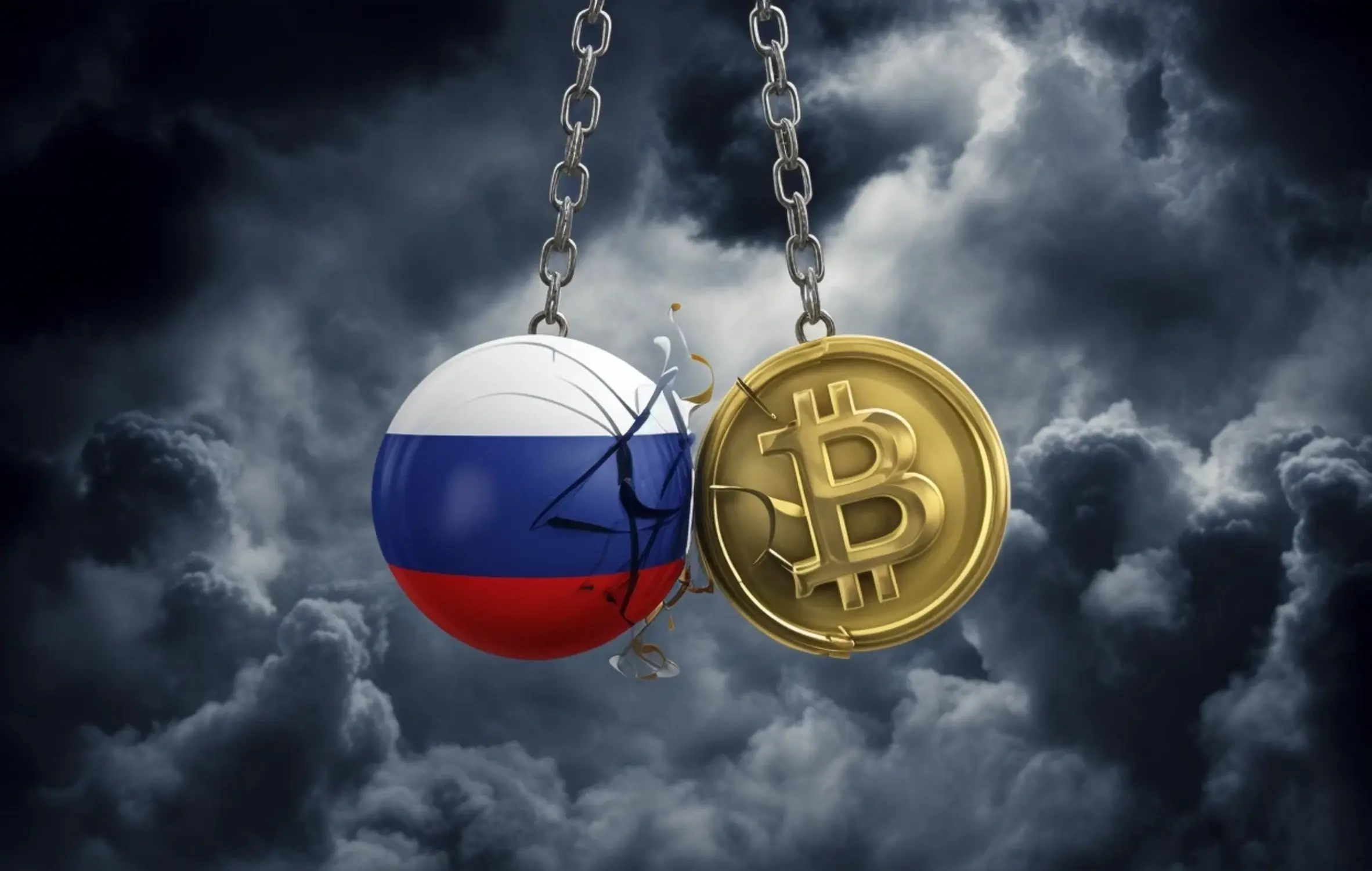
Iran’s move to crypto arms sales could initiate profound ramifications for existing financial systems. As countries reassess their economic engagements with Iran, the repercussions may ripple through global markets. If nations begin accepting cryptocurrencies as a legitimate form of payment for arms, this could lead to a broader acceptance of digital currencies, challenging the dominance of the U.S. dollar in international trade.
– Disruption potential: The current financial system, which relies on traditional banking protocols, may face increasing pressure as cryptocurrencies offer a more decentralized and less regulated alternative.
– Responses from affected nations: Countries affected by these sales, especially those reliant on sanctions against Iran, may need to formulate strategies to counteract this evolving landscape.
The broader economic implications could foster a shift in how global markets view and adopt cryptocurrency, leading to an era where digital currencies are woven into the fabric of international trade.
Analyzing Iran’s Economic Strategy
Iran’s long-term goals reflect a resilience against economic isolation. The Islamic Republic aims to establish itself as a crucial player in the global cryptocurrency arena. As Iranian officials assert, “Cryptocurrencies provide new ways to do business and to pay for trade,” this indicates a proactive stance in finding innovative solutions to economic adversity (recent analysis).
By embracing digital currencies, Iran aspires to stabilize its economy while fortifying its military capabilities. These aspirations underline a strategic vision that extends beyond mere financial transactions; they encompass a broader narrative of survival and adaptation amidst geopolitical challenges.
In the context of foreign relations, this shift may influence alliances and enmities, as nations weigh the benefits of engaging with Iran against potential repercussions.
What This Means for International Relations
The Iran Crypto Shift could signal a pivotal change in geopolitical alliances and tensions. Increased cryptocurrency transactions in arms sales may lead some nations to realign their positions concerning Iran, raising questions about the legitimacy of engaging in trade under these new terms.
As engagement shifts, we may expect:
– New alliances: Countries that find mutual interests in cryptocurrency might pursue closer relations with Iran, potentially reshaping regional dynamics.
– Policy implications: Nations may consider new sanctions or market rules to curtail these evolving transactions, leading to diplomatic friction on multiple fronts.
The risks and benefits for nations engaging in trade with Iran will require careful consideration, as this uncharted path offers both opportunities and challenges in a rapidly changing geopolitical landscape.
In conclusion, Iran’s transition to cryptocurrency for arms sales not only defies existing financial structures but could also initiate a broader acceptance of cryptocurrency in international trade, challenging the status quo and reshaping future economic relations.